When to Plant Violets?
Share
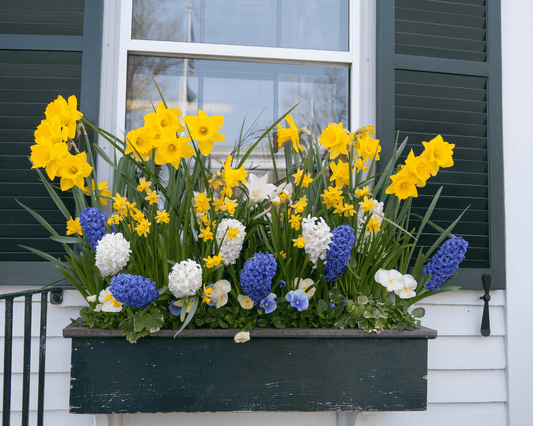
Pansies create a real ambiance in the garden, on the balcony, and by the front door. They bloom for a long time, are robust, and come in countless colors. But when should you plant pansies for the most beautiful and longest flowering season? Below, you'll find out exactly when the best time to plant them is, what to look out for, and how to optimally enjoy your pansies.
What are the best times to plant violets?
You can plant violets at two main times of the year:
- Autumn (September to November): ideal for winter violets , which can bloom all winter and early spring.
- Spring (February to April): ideal for a quick burst of colour after winter and for classic spring violets.
The most suitable period depends on the type of violet and the climate in your region.
When to plant violets for a colorful winter?
If you want color in your garden in autumn and winter, choose winter pansies . This type of pansy can withstand cold and light frost well.
- Planting period: from mid-September to the end of October.
- Region with mild winters: you can often plant until November.
- Region with severe frost: plant earlier in the autumn so that the plants can root well.
If you plant in time, the violets can start blooming in the fall and then produce new flowers again and again during mild winter periods.
When to plant violets for a colorful spring?
Violets are essential for a cheerful start to spring. There are two ways to ensure spring blooms:
- Plant in the autumn: winter violets will then bloom extra early in the spring.
- Plant in early spring: from February to April, as soon as the frost has disappeared from the ground.
Buy potted violets that bloom in spring. They provide immediate color and usually take root quickly when planted in the ground or in containers.
Can you also plant violets in summer?
Although violets are mainly known as spring and winter bloomers, you can also find them in the summer:
- Summer violets or horned violets can be planted from May onwards.
- Preferably plant them in a spot with light shade or morning sun to prevent burning.
- Provide sufficient water during warm periods, as violets do not like to dry out.
Note that violets will die more quickly or become less attractive in extreme heat. However, in a cool, slightly shaded garden, they can last a surprisingly long time in summer.
What temperature is ideal for planting violets?
Violets like cool conditions and can cope well with low temperatures:
- Optimal planting temperature: between 5 °C and 15 °C.
- Light frost: is usually not a problem for winter violets, especially if they are already well established.
- Severe, persistent frost: can damage young plants, especially in pots.
It's best not to plant during a frosty period or when the ground is frozen. Wait until it has warmed up a bit.
What should you pay attention to when choosing violets to plant?
When you plant violets, the quality of the plants is important for long flowering:
- Choose plants with firm, green leaves without yellow or brown spots.
- Go for specimens with lots of buds rather than just open flowers.
- Avoid plants with limp stems or mold on the leaves.
- Pay attention to the label: if it says winter violet or winter violet , then they are suitable for cold periods.
How do you plant violets in the open ground?
The way of planting, in addition to the timing, determines the success:
- Choose a location: partial shade to sun, preferably not full sun all day.
- Prepare the soil: loosen the soil and, if necessary, mix some compost into the topsoil.
- Planting distance: keep about 15 to 20 cm between the plants for a nice full effect.
- Depth: Plant them at the same depth as in the pot; not too deep.
- Watering: provide plenty of water immediately after planting to ensure good contact between the roots and the soil.
How and when do you plant violets in pots and containers?
Violets thrive in pots, balcony boxes, and bowls. They're especially popular in autumn and spring.
- Suitable period: from September (autumn) and from February/March (spring).
- Potting soil: use an airy universal potting soil with good drainage.
- Drainage: ensure there are holes in the bottom and, if necessary, add a layer of potsherds or hydro grains.
- Dense planting: in pots they can be planted closer together than in the ground for a full appearance.
- Frost protection: in case of severe frost you can temporarily shelter the pots or place them indoors.
How do you care for violets after planting?
Proper care significantly extends the flowering period. Pay particular attention to:
- Watering: Keep the soil slightly moist, but avoid letting the roots stand in water.
- Deadheading: Cut or pluck dead flowers to encourage new blooms.
- Fertilization: In pots, give a light liquid fertilizer once every 3 to 4 weeks; in open ground, little extra is often needed.
- Protection in case of severe frost: cover violets with fleece if necessary or move pots to a sheltered spot.
How long do violets bloom if you plant them at the right time?
If you plant your violets at the right time and take good care of them, you can enjoy them for a long time:
- Winter violets: from autumn to late spring, often with short breaks during severe frost.
- Spring violets: from early spring to early summer, depending on the temperature.
- Summer violas/horn violas: often from May to late summer, especially in cooler, not too dry conditions.
Can you sow violets yourself and when do you do that?
Besides ready-made plants, you can also sow your own violets. This requires a little more patience, but is fun and inexpensive.
- For winter and spring flowering: sow from June to August . You can plant out the young plants in the fall.
- For summer flowering: sow in spring , for example in March or April under glass or indoors.
- Use a fine sowing compost, keep the soil slightly moist and do not plant the seeds too deep (light pressing is often sufficient).
When do violets need replacing?
Violets are usually annuals or biennials . There comes a time when they become less beautiful:
- In warm weather in late spring or summer they may stop blooming and become leggy .
- After a long winter some plants may weaken or die .
You can then replace them with seasonal plants (such as summer bloomers) or new violets in the appropriate planting period.
When to plant violets for the best results?
In summary, you can assume:
- For winter and early spring flowering: plant winter violets in September–October .
- For instant colour in spring: plant pansies in February–April , as soon as the hard frost has passed.
- For summer accents: plant heat-resistant varieties in May–June in a cool spot.
With good timing you can enjoy violets almost all year round, from the first fresh days of spring to the gray winter months.