When to Plant Easter Bells?
Share
Easter bells, also known as daffodils, are beloved spring bulbs that bring color to the garden every year. To ensure they bloom at their best around Easter, the right planting time is crucial. Below, you'll discover exactly when to plant Easter bells and what to look out for.
What exactly are Easter bells?
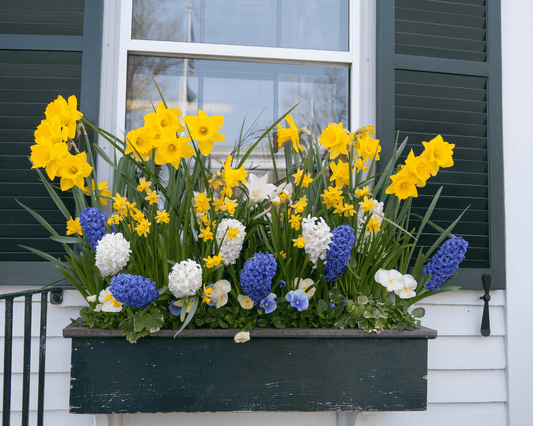
Easter bells are spring-flowering bulbs from the Narcissus genus. They are known for their trumpet-shaped flowers in yellow, white, or a combination of the two. Because they often bloom around Easter, they are commonly called Easter bells. They are perennial bulbs, meaning they can return year after year if planted and cared for properly.
When should you plant Easter bells?
Plant Easter bells in the fall, when the ground is starting to cool but not yet frozen. The ideal planting period is usually from mid-September to November. During this period, the bulbs have plenty of time to establish roots before the real winter cold sets in.
- Early planting time: mid-September – mid-October
- Regular planting time: October – November (before the frost period)
The earlier you plant in the fall, the better the bulbs can develop and the greater the chance of a rich flowering in the spring.
Why plant Easter bells in the fall?
Easter bells are spring bloomers that require a period of cold to flower. This cold stimulus ensures that the flower buds in the bulb develop well. By planting in the fall, the bulb benefits from:
- Cool soil temperatures: promote root growth
- Sufficient moisture: autumn rains help with rooting
- Early start in spring: as soon as the temperature rises, the bulb can immediately continue to grow
Can you plant Easter bells later in winter?
If the ground isn't frozen yet, you can sometimes plant until December or even January. However, keep the following in mind:
- A possible later or less exuberant flowering in the first year
- A shorter period for root formation
If the bulbs have already sprouted or become soft, they are less likely to take root. Therefore, always plant in the fall.
What is the best location for Easter bells?
Easter bells are relatively strong plants and grow in many places, but they do have a preference:
- Light: full sun to partial shade
- Soil: well-drained, not too wet soil
- Humidity: humid in autumn and winter, drier in summer
In heavy clay soil, it's wise to improve the soil with some sand or compost to help excess water drain away. Bulbs can rot in soil that is too wet.
How deep and at what distance do you plant Easter bells?
The general rule is to plant a bulb about three times as deep as its height. For Easter bells, you can assume:
- Planting depth: 10–15 cm deep (measured from the bulb top to the surface)
- Planting distance: 8–10 cm between the bulbs
Plant the bulb with the point (the narrow end) facing up. Then cover with soil and press the soil lightly to ensure good contact between the bulb and the soil.
Can you plant Easter bells in pots or containers?
Yes, Easter bells do very well in pots and containers. Keep a few things in mind:
- Use a pot with drainage holes
- If necessary, place a layer of potsherds or hydro grains at the bottom
- Use an airy, permeable potting soil mixture
- Plant the bulbs slightly closer together than in the open ground for a full appearance
Place the pot outside in the fall so the bulbs get the necessary cold period. In severe frost, you can temporarily protect the pot by sheltering it or wrapping it.
How do you ensure that Easter bells bloom around Easter?
Easter bells generally bloom from February to April, depending on the variety and weather conditions. If you want flowering as close to Easter as possible, keep in mind:
- Variety selection: some daffodil varieties bloom earlier, others later
- Planting period: planting early in the fall gives a more stable flowering period
- Location: a sunny, sheltered spot warms up faster and can accelerate flowering.
Because Easter falls on a different date each year, it is always a combination of good timing, breed choice and weather conditions.
How do you care for Easter bells after flowering?
After flowering, proper aftercare is important to keep the bulbs strong for the following year:
- Cut away faded flowers to prevent seed formation
- Allow the foliage to die back completely (usually 6–8 weeks)
- If necessary, provide some extra nutrition during this period so that the bulb can build up reserves.
Only when the leaves are yellow and limp can you cut them off. The greenery provides photosynthesis and thus energy storage in the bulb.
Can you move or share Easter bells?
After a few years, clumps of daffodils can become very crowded and bloom less profusely. In that case, you can transplant or divide them. The best time is:
- After the foliage dies off:
Carefully dig up the bulbs, shake off the soil, and divide them. Healthy bulbs can be replanted elsewhere immediately or stored dry and airy until autumn, then replanted.
What are common mistakes when planting Easter bells?
A few things to avoid when planting Easter bells:
- Planting too late, when the ground is already cold or frozen
- Planting depth too shallow, causing bulbs to dry out or fall over
- Too wet location, which can cause rot
- Cutting leaves too early after flowering
By taking this into account, you increase the chance of a rich, recurring bloom every spring.
Why are Easter bells ideal for beginner gardeners?
Easter bells are strong, forgiving, and low-maintenance. Some advantages:
- They often come back for years in a row
- They are very winter hardy
- They are rarely affected by diseases and pests
- They combine beautifully with other spring bulbs and perennials
Anyone who invests a little time in planting Easter bells in the autumn will be rewarded in the spring with a cheerful and colourful garden display around Easter.