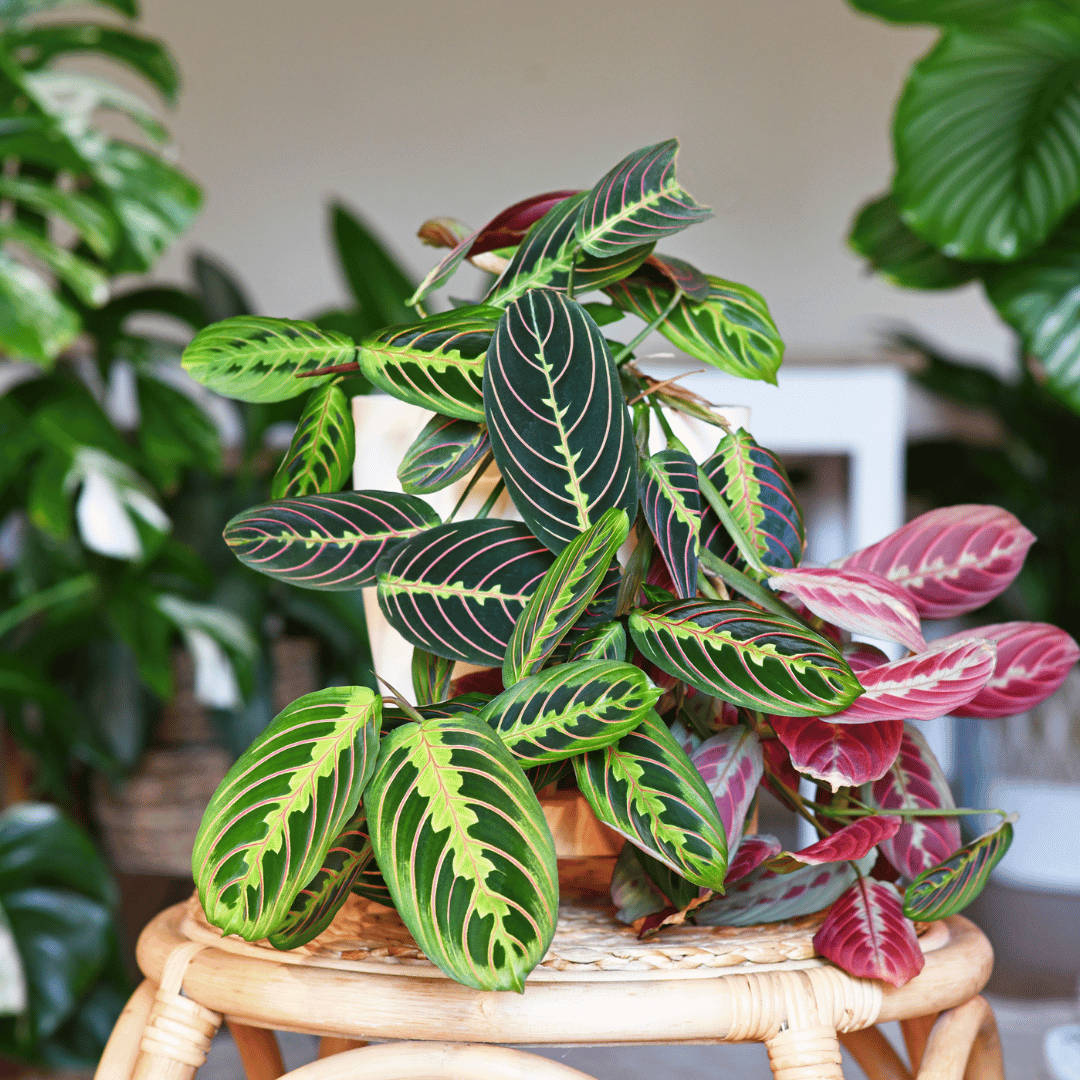
Coconut husk
Coconut husk
Rated 4.9 ⭐ by 100 satisfied customers on Google
Currently in stock
Couldn't load pickup availability
- Home delivery throughout Belgium.
- Collection in Leuven possible
- A real gem for the living room
- Lifelong help for all your plant questions
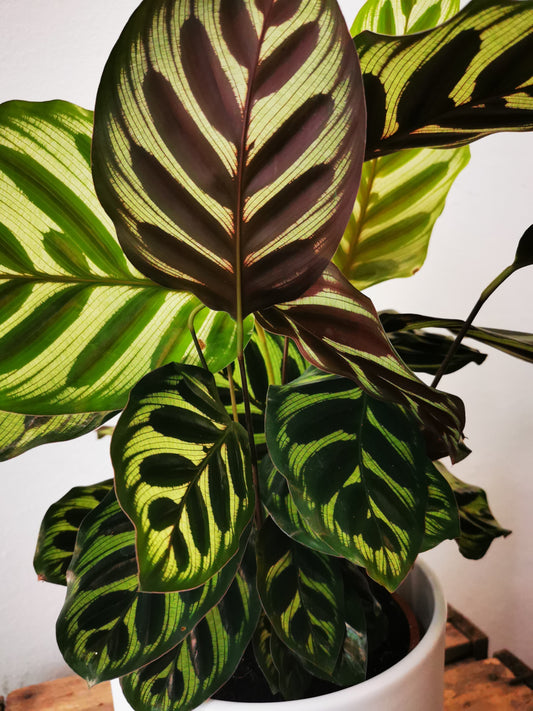
Coconut bark is a beautiful, tropical houseplant that instantly adds ambiance to any interior. With its lush green leaves and robust appearance, it's a real eye-catcher in your living room or office. This plant is ideal for both beginners and experienced plant lovers looking for an easy-to-care-for eye-catcher. Thanks to its hardy nature, it can also survive occasional watering, as long as you follow a few basic care tips.
How to care for coconut husk
Watering Coconut Husk
Coconut husk likes even moisture but hates puddles around the roots. Water about once a week, depending on the room temperature and humidity. Let the top layer of soil dry slightly before watering again, and always ensure good drainage. Consider adding some hydroponic clays or perlite to the bottom of the pot to prevent root rot.
Light requirements of coconut husk
Coconut husk prefers a location with bright, indirect light. Insufficient light can stunt growth, while direct sunlight can scorch the leaves. Ideally, place the plant near an east- or west-facing window. Turn the plant occasionally to ensure all sides receive even light and promote balanced growth.
Common coconut bark problems
Yellow leaves
Yellow leaves are often caused by too much or too little water. Check the soil moisture and adjust your watering. Too wet can cause root rot; too dry leads to leaf tips drying out. Also consult our blog post " What to do about root rot in your houseplants " for additional tips.
Plant drips
If your coconut husk drips, it could indicate overwatering or excessive humidity. Ensure adequate ventilation and allow excess water to drain. A water meter can help you know exactly when your plant is dry enough to water again.
Plagues
Spider mites, thrips, and mealybugs can sometimes nest in the leaves or along the veins. Remove visible insects with a soft cloth and, if necessary, use sticky traps to repel fungus gnats as a preventative measure. Periodic treatment with organic insect repellent will help keep your coconut husk healthy.
Roots that come out at the bottom
If the roots are growing out of the bottom of the pot, it means your coconut husk craves more space. Repot your plant in a slightly larger pot with an airy mix, such as our Potting Soil for Aroids 5L . This will give the roots a chance to develop again without being strangled.
Brown edges on the leaves
Brown edges are usually caused by dry air or insufficient watering. Increase the humidity around your coconut husk with a plant mister or place the pot on a moist hydro grain tray. Also, ensure regular but moderate watering and avoid direct sunlight during the hottest hours of the day.
Frequently Asked Questions about Coconut Bark
Is coconut bark poisonous?
Coconut bark is non-toxic to humans and pets. You can safely let your children or four-legged friends play nearby. This plant belongs in the collection of non-toxic houseplants .
Different types of coconut bark
There are several tropical plant families that share a similar appearance to coconut bark. Discover these favorites in our webshop:
- Ficus lyrata – the stately lion plant
- Monstera deliciosa – the popular Hole plant
- Cocos nucifera – the real coconut palm
- Yucca elephantipes – the robust Yucca fruit
- Alocasia zebrina – the graceful Zebra Plant
- Dracaena marginata – the slender Red-edged Dragon Tree
- Aglaonema Silver Bay – the elegant Chinese Evergreen
With these tips, you're ready to let your coconut bark flourish. Combine it with accessories from our potting soil and accessories and enjoy a tropical accent in your home.
Share

Frequently Asked Questions
How do you ship plants?
We always ship our plants well packaged and safely.
We do not ship on cold days and we also try not to ship during the weekends. This way plants are always in suboptimal conditions for a minimum time.
What is your shipping policy?
You can read our shipping policy here.
What payment methods do you accept?
We accept various payment methods online such as Bancontact, Visa, Mastercard, Paypal.
You can also pay with Ecocheques in our store in Leuven.
Can I return the products?
You can read our returns policy here.
Where do your plants come from?
Our plants always come straight from the grower to our shop. With minimal stops we prevent pests and diseases and keep the chain short!
Collections
-
Buy Maranta's
Discover the unique charm of our collection of Maranta plants. With their...
-
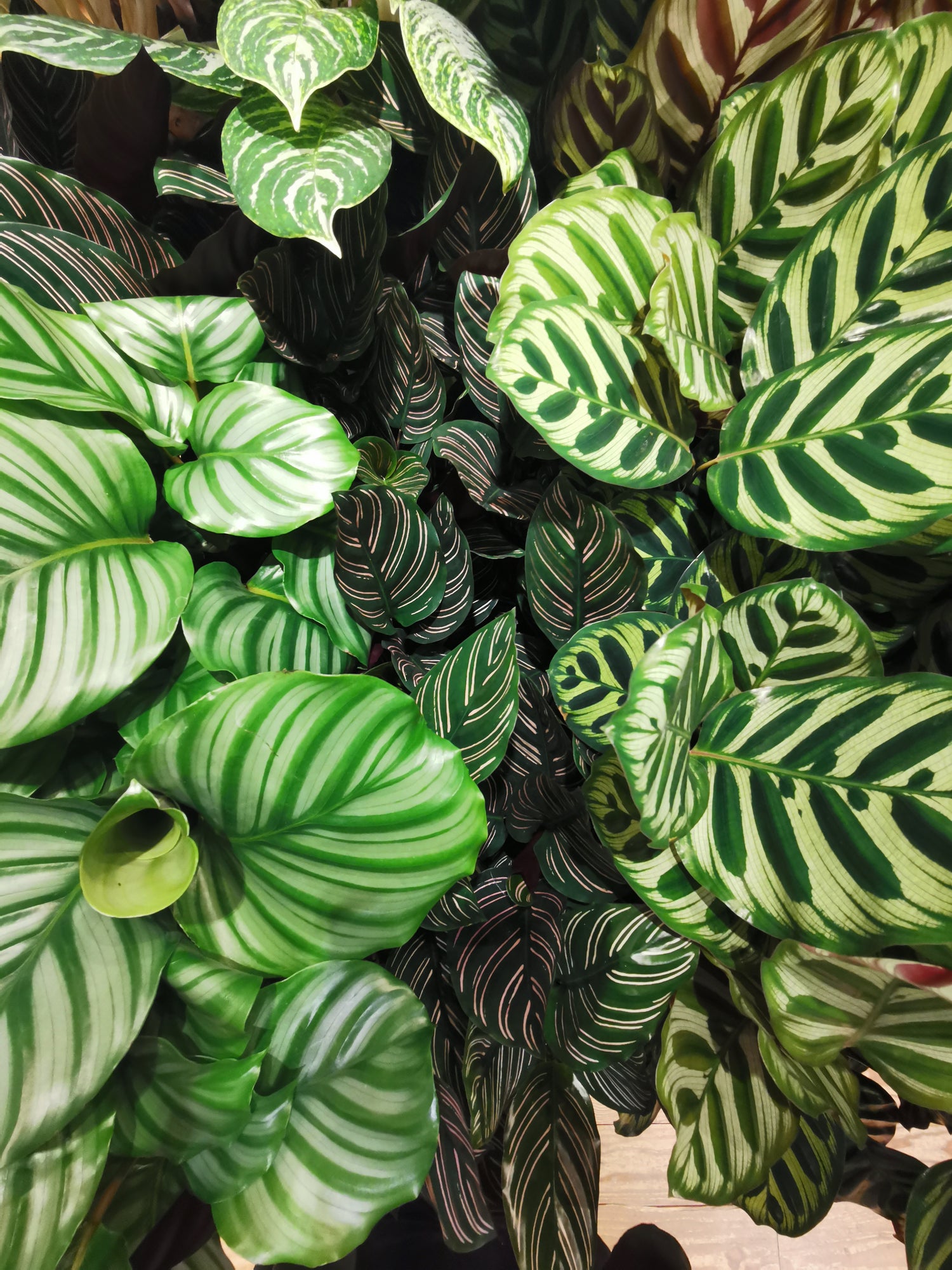
Buy Calathea
Are you looking for a beautiful and unique houseplant that will purify...
-
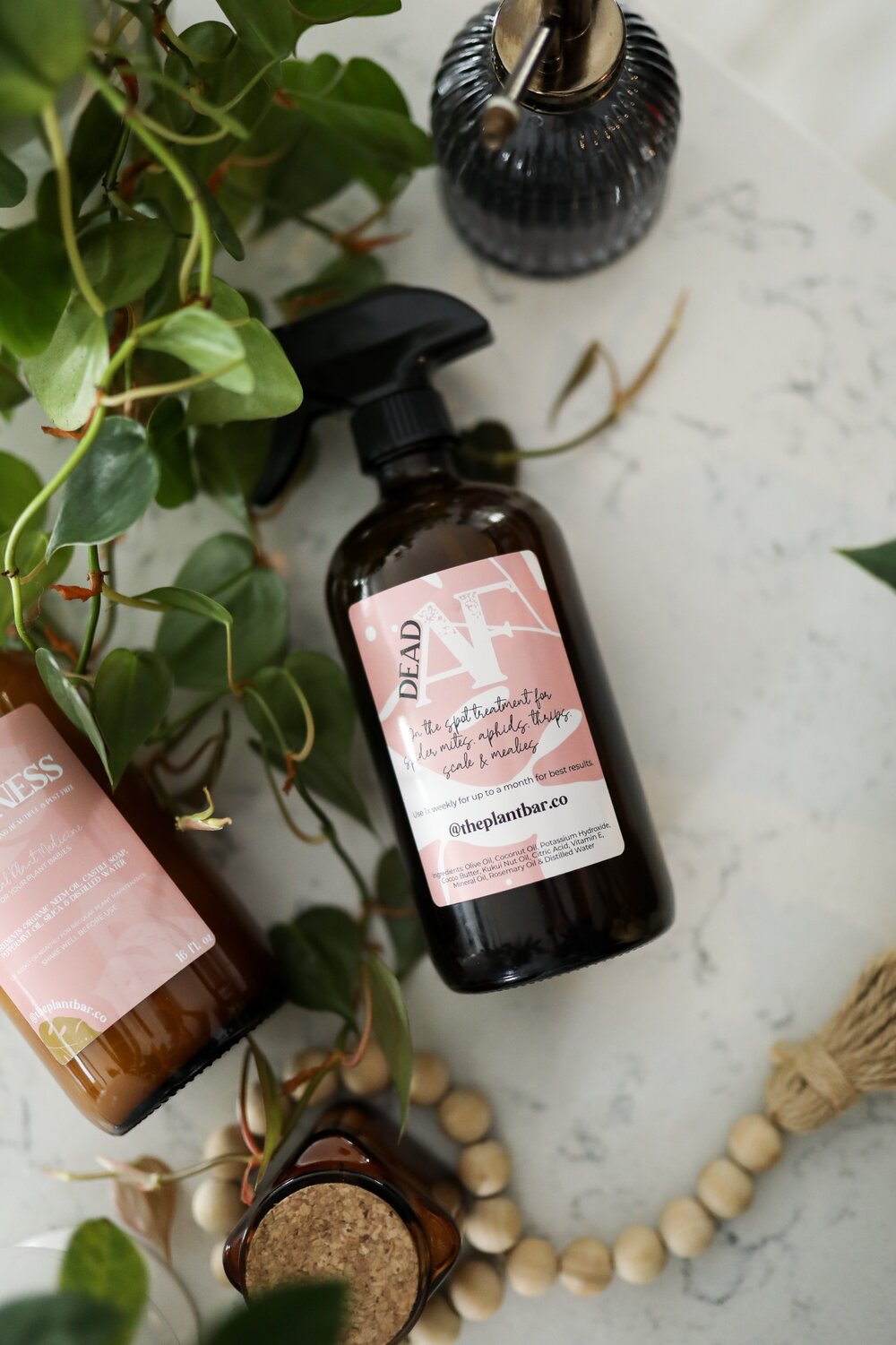
Accessories for Plant Lovers
In our store we have a wide variety of accessories to help...