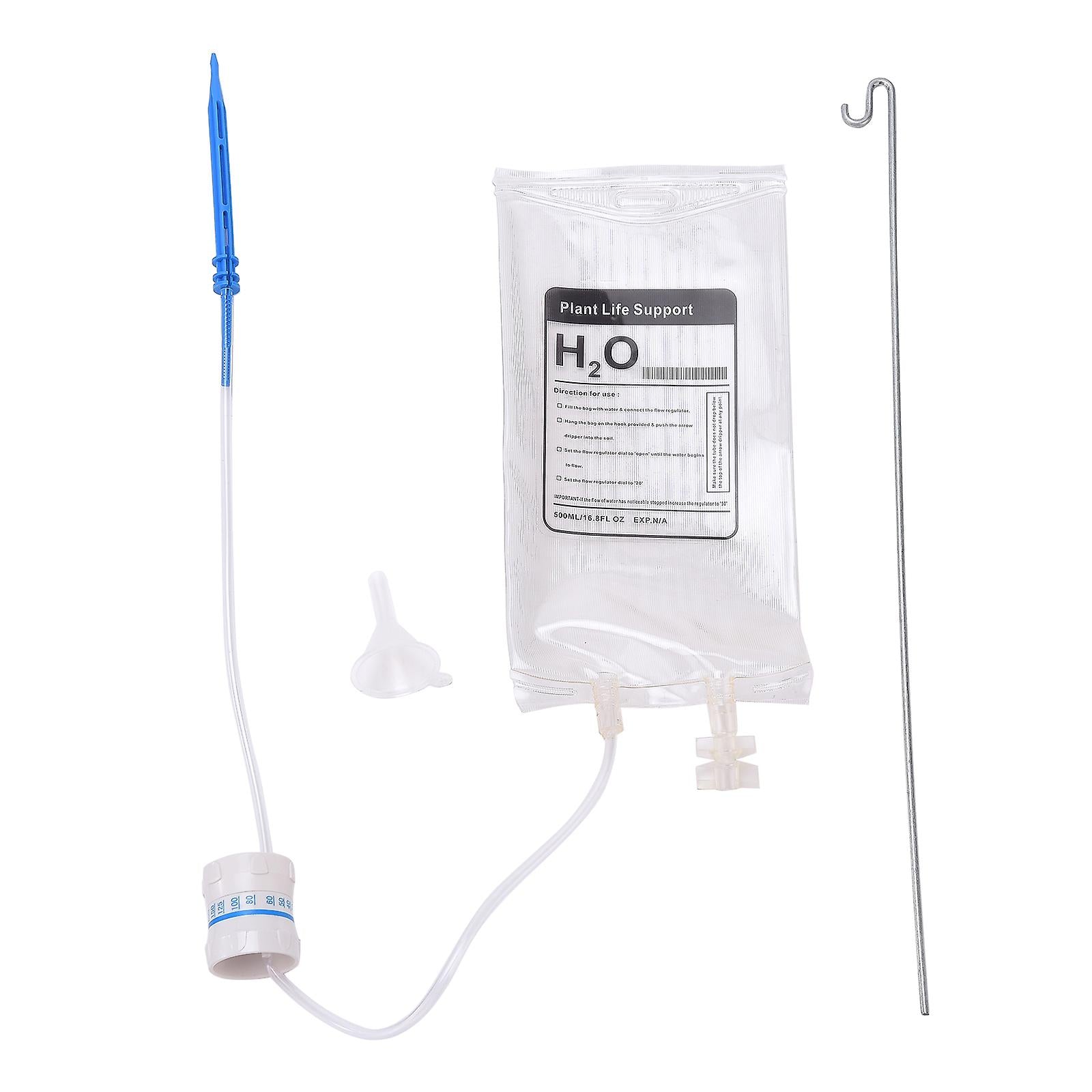
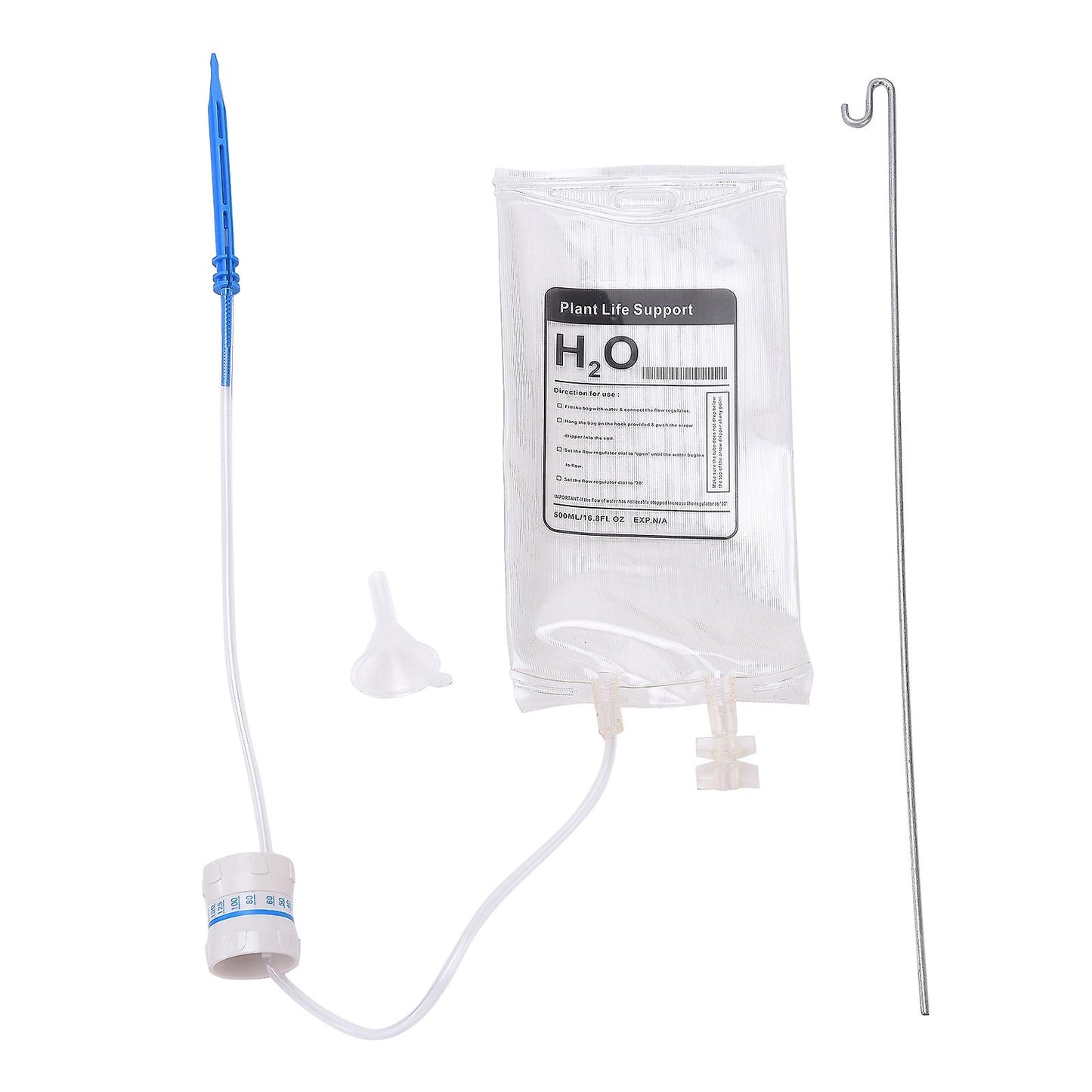
Plant Life Support
Plant Life Support
Rated 4.9 ⭐ by 100 satisfied customers on Google
Out of stock
Couldn't load pickup availability
- Home delivery throughout Belgium.
- Collection in Leuven possible
- monster for the living room
- lifelong help for all your plant questions
For anyone looking for a complete care boost for their houseplants, Plant Life Support is an indispensable tool. This formula combines essential nutrients, moisture regulation, and protection against stressors. Whether you're just starting your first planting project or already have an extensive collection, Plant Life Support gives your plants every chance to flourish. Thanks to our expertise in the webshop and practical tips from the blog, you'll learn step-by-step how to give your plants healthy growth.
How to Care for a Plant Life Support
Watering at Plant Life Support
Proper watering is crucial for Plant Life Support. Ensure the potting soil remains slightly moist, but never soaked. Thanks to the special moisture regulator in Plant Life Support, you can water less frequently than with standard potting soil. Check the topsoil twice a week and adjust your watering frequency based on the plant's temperature and humidity. This prevents root rot and provides your plant with optimal moisture balance.
Light at Plant Life Support
Plant Life Support thrives in bright, indirect light. Place your plant near an east- or west-facing window. Direct sunlight can damage the protective film on the leaves, so avoid bright midday sun. If you have less daylight, you can get extra help from a grow light; this way, your Plant Life Support will stay vibrant even on dark days. Combine this with a hygrometer to create a stable environment.
Nutrition and maintenance
Plant Life Support contains slow-release fertilizers that will nourish your houseplants for up to three months. So you don't need to add liquid fertilizer weekly. After three months, you can repeat the application according to the dosage recommendations provided. Regularly remove dead leaves to prevent mold growth. Also, use our houseplant pots for good drainage and stability.
Repotting with Plant Life Support
When you apply Plant Life Support during repotting, you'll stimulate the nutrients by lightly mixing it with fresh potting soil. Choose a pot one size larger and ensure adequate drainage. After repotting, let the plant acclimate for one to two weeks without additional feeding. This allows the root structure to develop smoothly in the nutrient-rich environment.
Common problems and solutions
Yellow leaves
Yellow leaves on Plant Life Support often indicate overwatering or underfeeding. Check the moisture content of the potting soil and let the top layer dry out before watering again. Don't add extra fertilizer immediately; this can increase the salt content in the soil. Also read our tips in the blog about root rot in your houseplants .
Plant dripping
A dripping plant can indicate overwatering or extreme climate fluctuations. Allow excess water to drain properly and avoid drafts. Every four weeks, you can wipe the leaves with a damp cloth to remove dust and slightly increase humidity.
Pests
Spider mites, aphids, and thrips are common pests. Inspect your Plant Life Support weekly for small spots or webs. If infestations occur, you can use natural pest control methods like neem oil or our sticky traps for fungus gnats . Preventative spraying with lukewarm water also helps.
Roots growing out of the pot
Extended roots mean your plant craves more space. Repot in a larger pot and regularly mix Plant Life Support into fresh potting soil. This will provide the roots with extra nutrients and help them develop further.
Brown leaf edges
Brown edges are caused by dry air or irregular watering. Place your Plant Life Support in a moist microclimate, for example, using a humidifier or water dish nearby. Keep watering consistent and avoid hardy tap water.
Frequently Asked Questions
Is Plant Life Support poisonous?
Plant Life Support contains all-natural ingredients and is non-toxic to humans or pets. If you have any doubts, please review the safety information in our privacy and security policy .
What types of Plant Life Support are there?
Our Plant Life Support comes in various combinations, tailored to houseplants with diverse needs. Below is an overview of similar plants within the plant family to help you expand your collection:
- Monstera Deliciosa (link to Monstera Deliciosa )
- ZZ Plant (link to ZZ Plant )
- Yucca (link to Yucca )
- Aglaonema Silver Bay (link to Aglaonema Silver Bay )
- Dischidia Pectenoides (link to Dischidia Pectenoides )
- Pancake plant (link to buy pancake plant )
- Asplenium Parvati (link to Asplenium Parvati )
- Ficus Elastica Tineke (link to Ficus Elastica Tineke )
With Plant Life Support, you're investing in the well-being of all your plants. Combine this nutrient boost with the right pot, like a stylish monstera or ficus pot , and transform your living space into a green oasis. Order today and experience the difference within weeks.
Share

Frequently Asked Questions
How do you ship plants?
We always ship our plants well packaged and safely.
We do not ship on cold days and we also try not to ship during the weekends. This way plants are always in suboptimal conditions for a minimum time.
What is your shipping policy?
You can read our shipping policy here.
What payment methods do you accept?
We accept various payment methods online such as Bancontact, Visa, Mastercard, Paypal.
You can also pay with Ecocheques in our store in Leuven.
Can I return the products?
You can read our returns policy here.
Where do your plants come from?
Our plants always come straight from the grower to our shop. With minimal stops we prevent pests and diseases and keep the chain short!
Collections
-
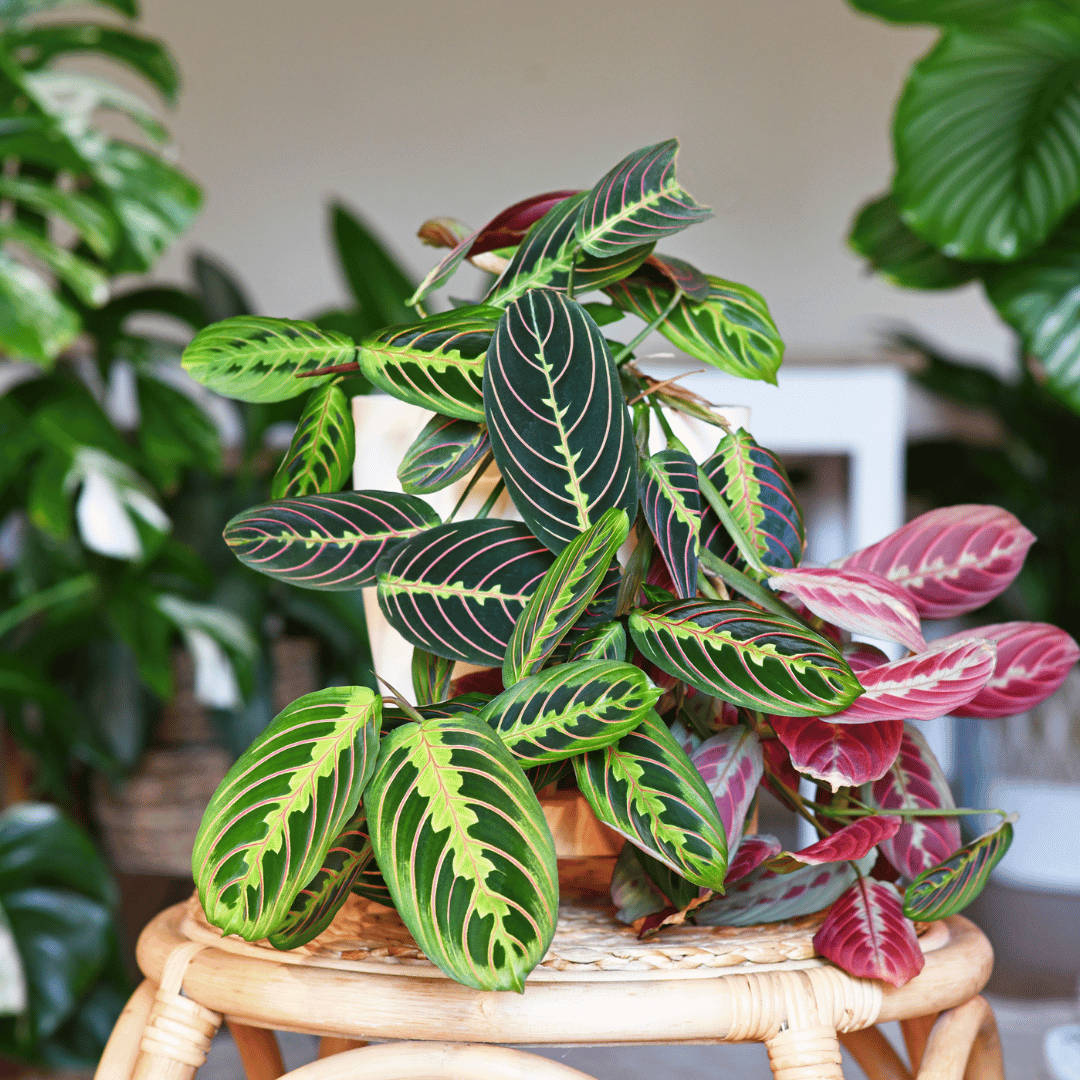
Buy Maranta's
Discover the unique charm of our collection of Maranta plants. With their...
-
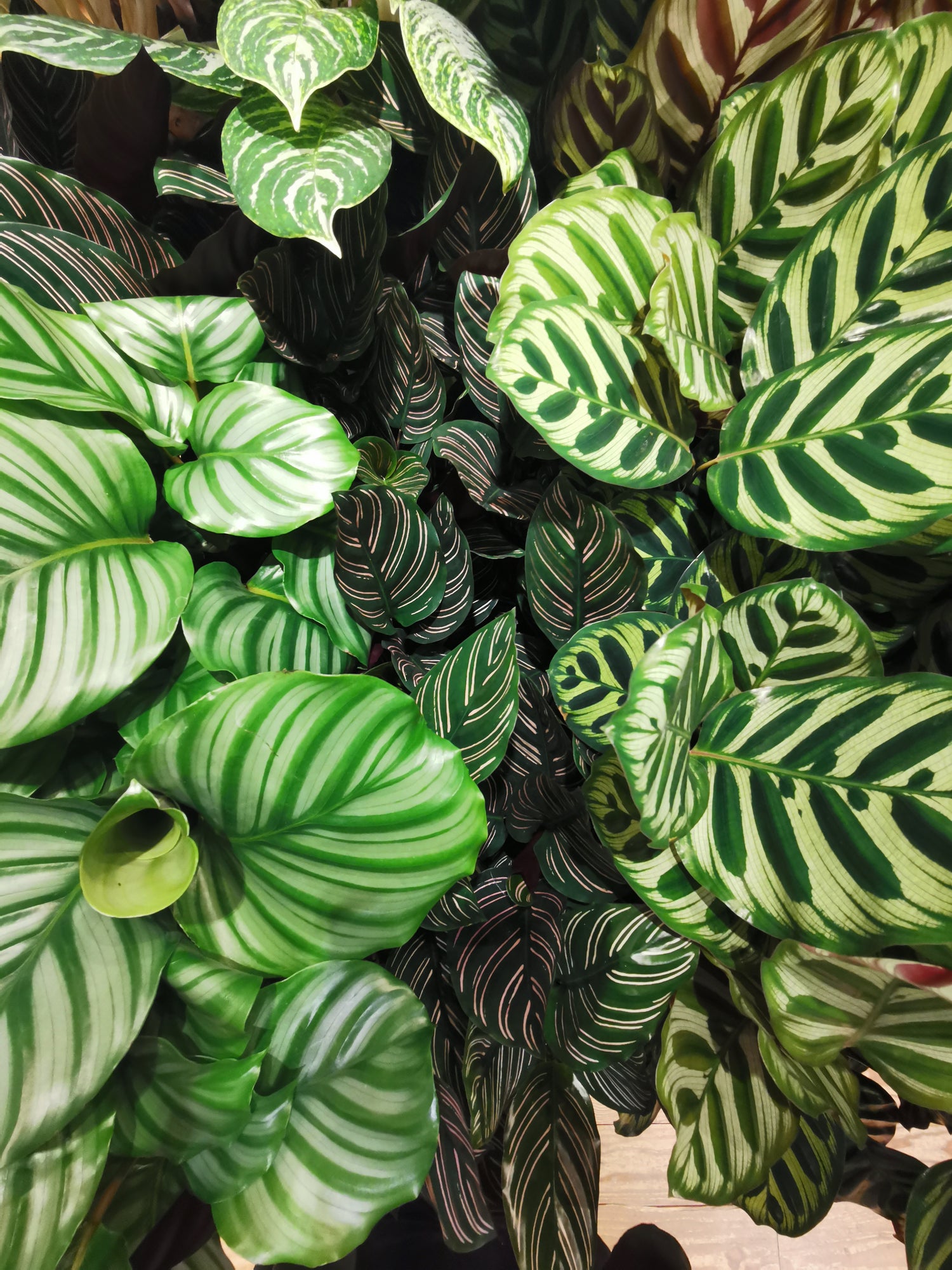
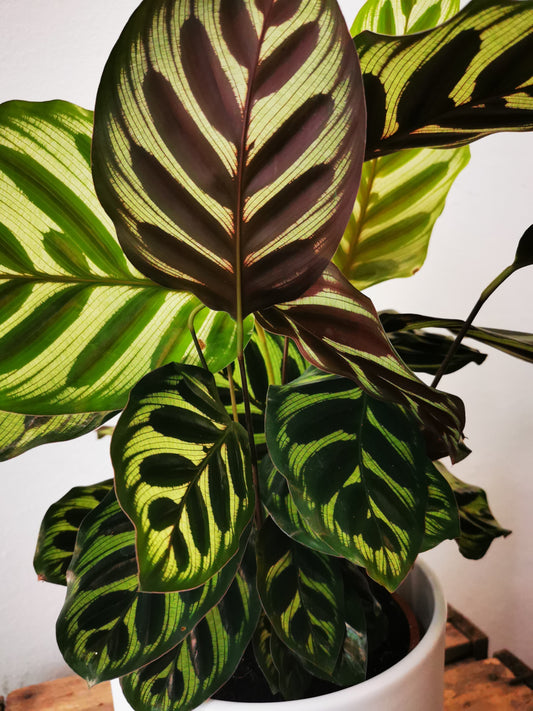
Buy Calathea
Are you looking for a beautiful and unique houseplant that will purify...
-
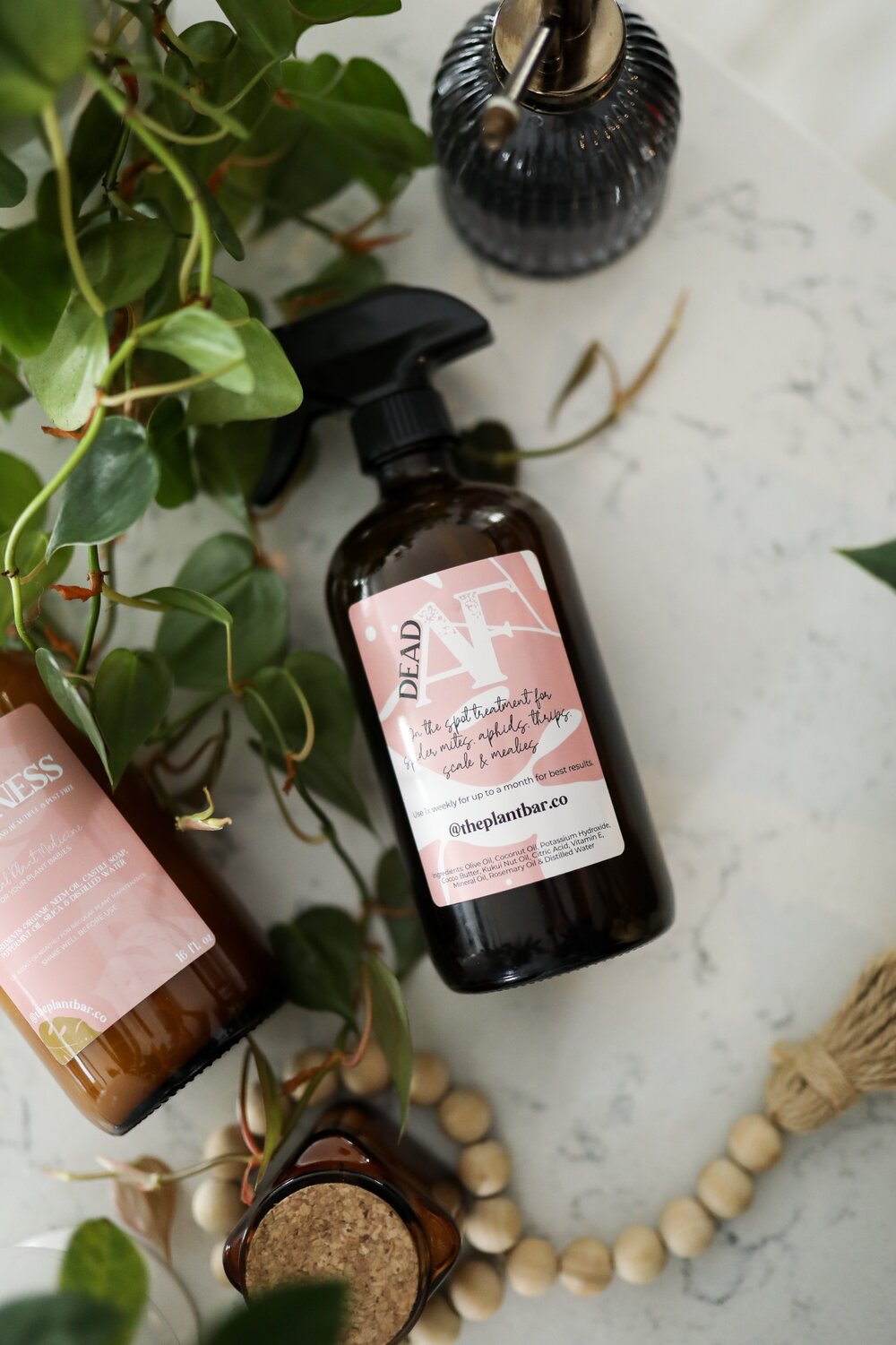
Accessories for Plant Lovers
In our store we have a wide variety of accessories to help...